
(Very Simple Notes for the Students)
What is an Interview?
Interview is a much needed activity for all formal institutions. It helps to the individuals to get any specific job. An interview is a formal conversation between two persons, Interviewer and Interviewee. One person asks questions and the other person answers them.
Interviews are conducted in offices and institutions for different purposes like:
-
Selection of employees
-
Checking his/her performance
-
Solving institutional problems
-
Collecting the feedback
There are four main types of interviews.
1. Selection Interview


A Selection Interview is conducted when an organisation wants to appoint a new employee for their vacant post. There is a systematic process of conducting this Interview. Applicants apply through proper channel and short listed for the selection interview.
In this interview, the organisation tries to understand:
-
Whether the candidate is suitable for the job
-
Whether the candidate has required knowledge and skills
-
Whether the candidate has good behaviour and confidence
The interviewer asks questions about:
-
Education
-
Experience
-
Personal qualities
-
Interest in the job
The candidate answers sincerely and confidently.
After interviewing many candidates, only the best candidate is selected.
Why is Selection Interview important?
-
It helps the organisation choose the right person
-
It avoids appointing an unsuitable employee
-
It saves time and money in the future
In simple words
➡ A Selection Interview is taken to give a job to the right person.
2. Assessment Interview
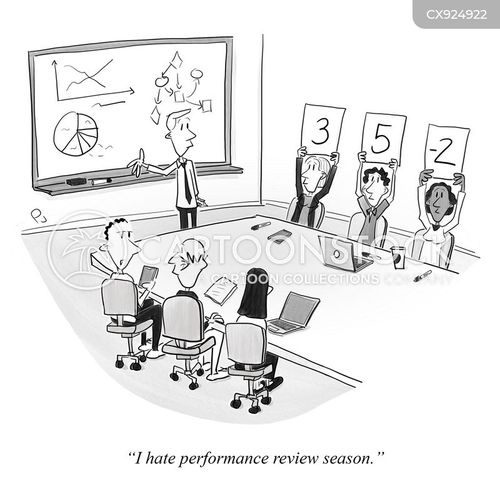
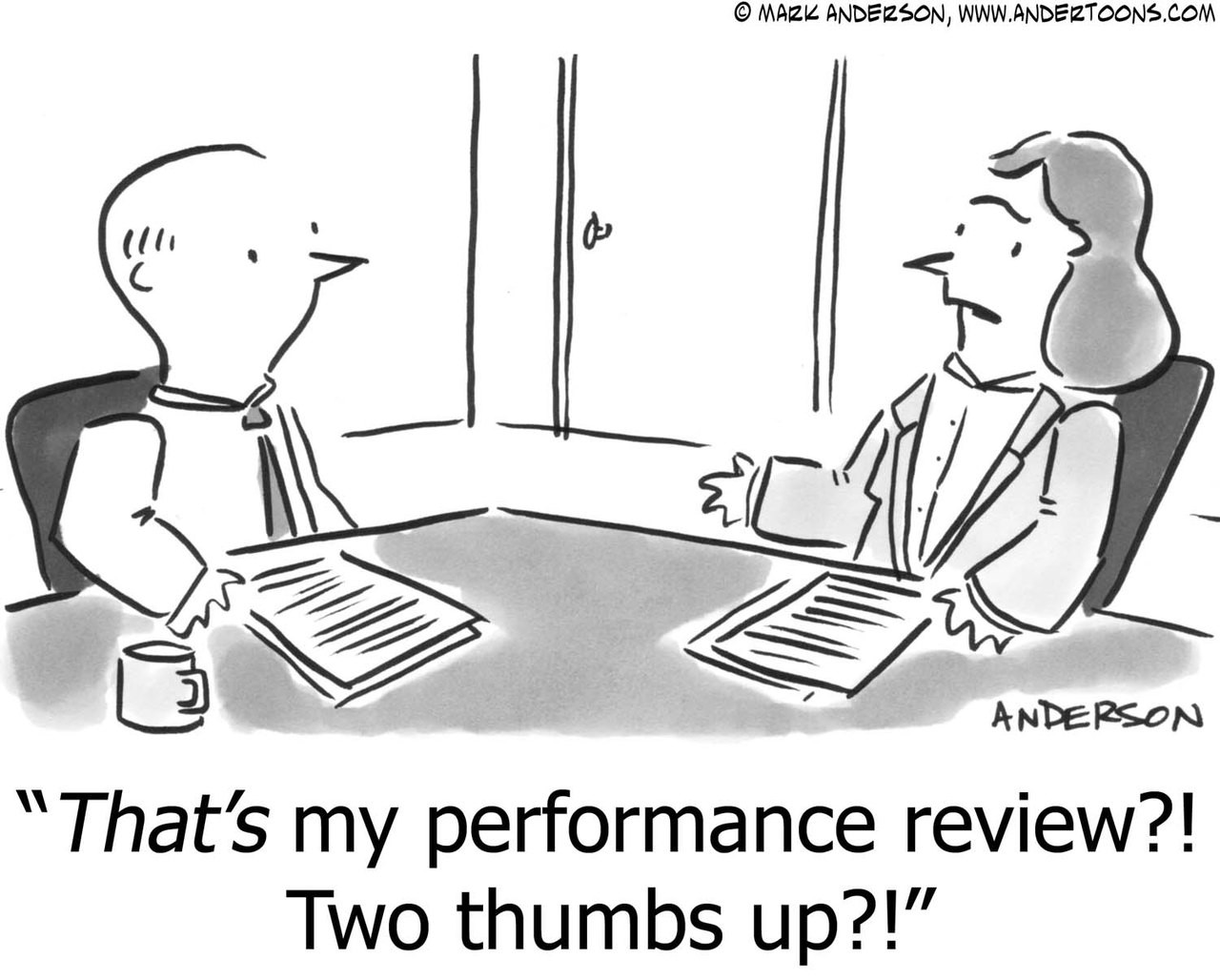
An Assessment Interview is conducted for an employee who is already working in the organisation. An assessment interview has been also called Appraisal Interview.
This interview is taken to:
-
Check how the employee is working
-
Know whether the employee is doing the job properly
-
Understand strengths and weaknesses
- Know whether the targets are completed
The manager discusses:
-
Work quality
-
Behaviour
-
Punctuality
-
Improvement needed
The employee is also allowed to:
-
Explain difficulties
-
Give suggestions
-
Ask for guidance
Why is Assessment Interview important?
-
It helps employees improve their performance
-
It helps management decide promotion or training
-
It builds communication between employee and manager
In simple words
➡ An Assessment Interview is taken to check and improve work performance.
3. Grievance Interview

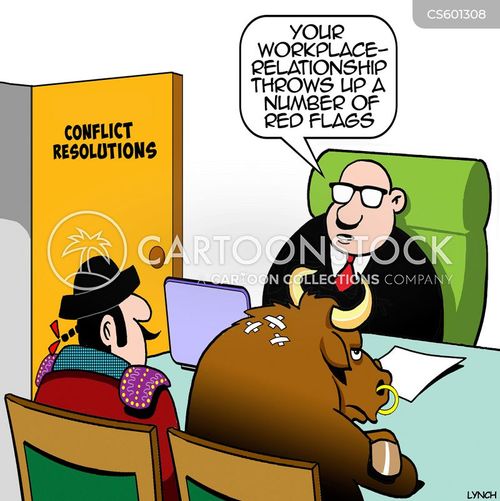
A Grievance Interview is conducted when an employee has a complaint or problem at the workplace.
A grievance means:
-
Dissatisfaction
-
Complaint
-
Feeling of unfair treatment
In this interview:
-
The employee explains the problem freely
-
The management listens carefully
-
Both try to find a solution
Problems may be related to:
-
Workload
-
Salary
-
Behaviour of colleagues
-
Misunderstanding
Why is Grievance Interview important?
-
It reduces tension and anger
-
It prevents conflicts
-
It maintains peace in the organisation
In simple words
➡ A Grievance Interview is taken to solve employee problems peacefully.
4. Exit Interview
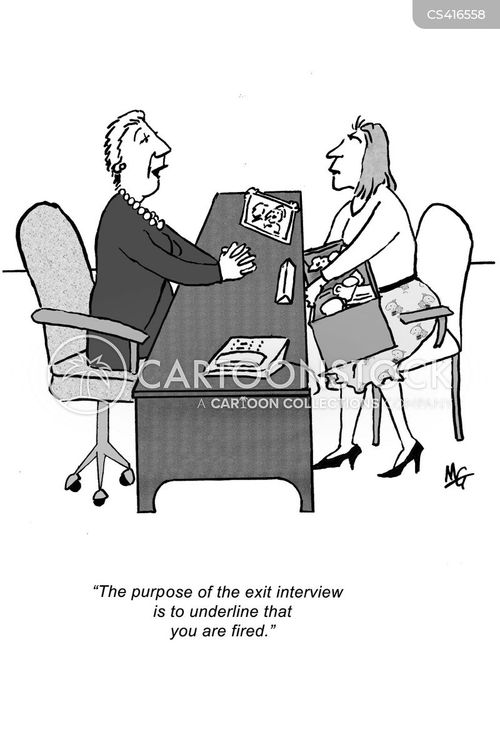

An Exit Interview is conducted when an employee leaves the organisation. In this interview the candidate gives reasons for leaving the organization.
The purpose of this interview is:
-
To know why the employee is leaving
-
To understand mistakes of the organisation
-
To collect honest feedback
The employee is encouraged to speak freely about:
-
Work environment
-
Management
-
Job satisfaction
-
Suggestions for improvement
The organisation does not argue.
It only listens and learns.
Why is Exit Interview important?
-
It helps improve policies
-
It reduces future employee turnover
-
It improves work culture
In simple words
➡ An Exit Interview is taken to learn from employees who are leaving.
Simple Comparison (Easy to Remember)
-
Selection Interview – to select a new employee
-
Assessment Interview – to check employee performance
-
Grievance Interview – to solve complaints
-
Exit Interview – to get feedback
Conclusion (Perfect for Exam Ending)
There are many types of Interviews. Different interviews are conducted for different purposes. Each type of interview has its own aim and helps the organisation function smoothly. Interviews improve communication, performance, and work environment.

Pingback: Introduction of Interview. -