
About the Author: Charlotte Perkins Gilman

Short Story is a popular genre of the Literature. There are many short story writers in English Literature. Charlotte Perkins Gilman was an American short story writer who lived in the 19th century.
She was the active thinker of Feminisim. She strongly believed that women should be free to think, write, and express their feelings.
The story, ‘The Yellow Wallpaper’ has been clearly influenced from her own life. In her personal life, after the birth of her child, she suffered from mental depression. Doctors advised her to take complete rest and stop writing. This treatment made her condition worse.
Her own experience inspired her to write The Yellow Wallpaper, to show how wrong treatment and control can destroy a person’s mind.
Detailed Summary of The Yellow Wallpaper
(Written in very simple language)
1️⃣ A Sick Woman and Her Doctor Husband

This is very interesting story, narrated by a woman whose name is never mentioned. She has recently become a mother, and after childbirth she feels very weak, sad, and mentally disturbed. She often feels tired, confused, and anxious. She knows that something is wrong with her mind, but she is unable to clearly explain her feelings to others.
Her husband John is a doctor. He loves his wife, but he is strict and practical. He believes only in medical science and does not take her emotions seriously. According to him, her illness is not serious and will go away with proper rest.
John strongly believes that:
She must take complete physical and mental rest
She should not write, as he feels writing will tire her mind
She should not think deeply or imagine things, because he believes thinking worsens her condition
The woman does not agree with this treatment. She feels that writing helps her express her pain and gives her relief. When she writes, she feels lighter and calmer. However, since her husband has strictly forbidden it, she writes secretly, hiding her diary and stopping whenever someone comes near.
This secret writing shows her inner struggle—she wants to heal herself, but she is forced to obey rules that slowly make her condition worse.
2️⃣ The Big House and the Strange Room

John decides to take his wife away from the city and brings her to a large, old house in the countryside, believing that fresh air and silence will help her recover. The house is spacious and quiet, but it feels strange and lonely to the woman.
He chooses a room for her on the top floor of the house. This room was earlier used as a nursery for children. The woman does not like the room, but John insists that it is the best place for her treatment.
The room looks unusual and uncomfortable:
The windows have iron bars, making the room feel like a cage
The bed is heavy and fixed to the floor, so it cannot be moved
The walls are covered with yellow wallpaper, which looks old and damaged
As soon as the woman sees the wallpaper, she strongly dislikes it.
She feels that its color is dirty and faded, not bright or cheerful. The strange patterns hurt her eyes and make her uncomfortable. The wallpaper appears ugly, dull, and disturbing, and it creates a sense of fear and uneasiness in her mind from the very beginning.
3️⃣ Loneliness and Secret Writing

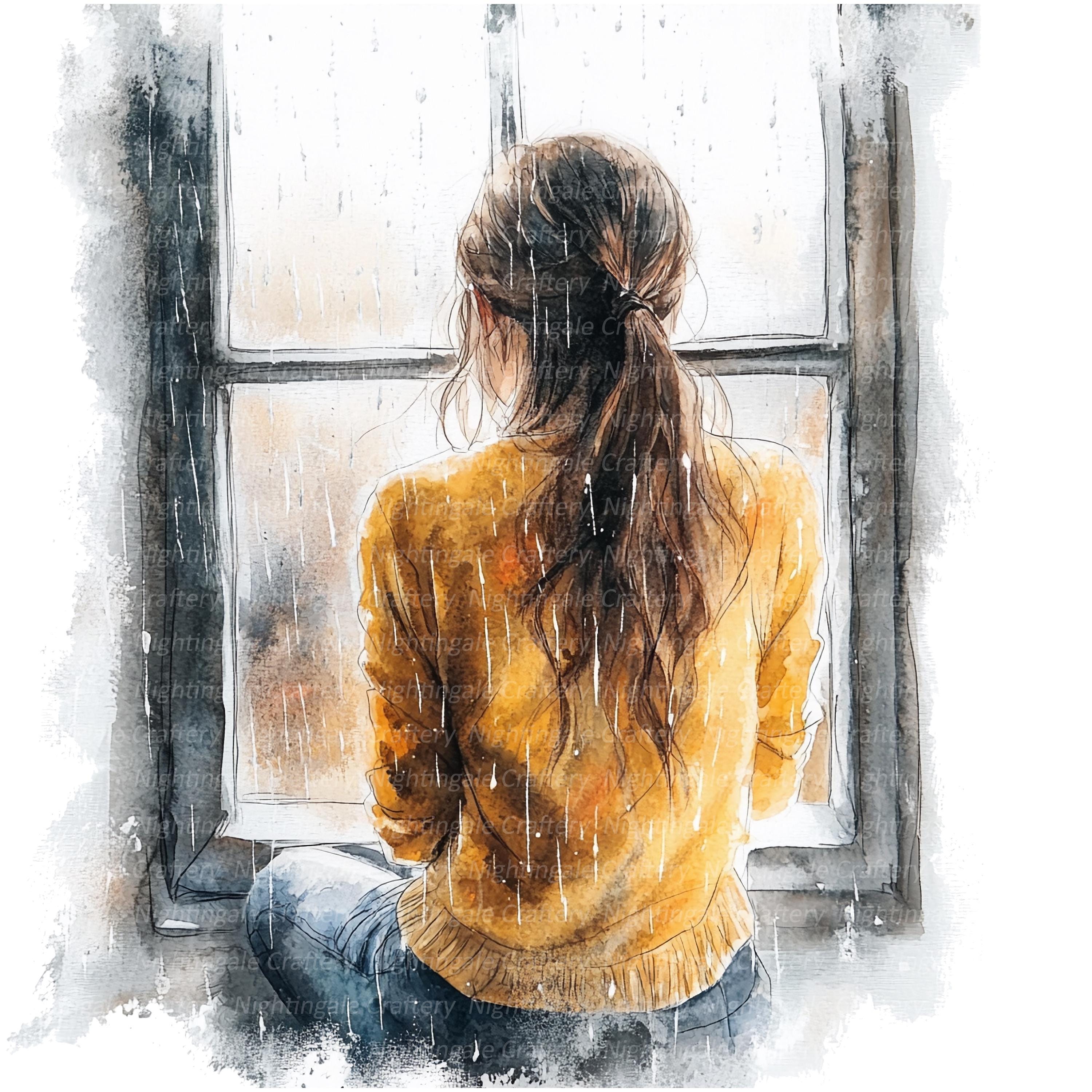
She spends most of her time alone inside the room. John is often busy with his work and visits her only occasionally. When she tries to talk about her fear, sadness, or discomfort, he ignores her feelings and says that she is only imagining things. He speaks to her kindly, but he does not truly listen to her.
Because of this:
She feels very lonely
She misses her normal life, her friends, and daily activities
She longs for conversation and emotional support
Since she is not allowed to write, she keeps a diary in secret. She writes only when she is alone and quickly hides it when someone approaches. Writing becomes her only way to express her thoughts and emotions.
As the days pass, with nothing else to occupy her mind, her thoughts slowly begin to circle around the yellow wallpaper. She looks at it again and again. What first seemed ugly now becomes strangely fascinating. Gradually, the wallpaper becomes the center of her thoughts, and her mind starts losing touch with reality.
4️⃣ Obsession with the Wallpaper

5️⃣ The Woman Inside the Wallpaper

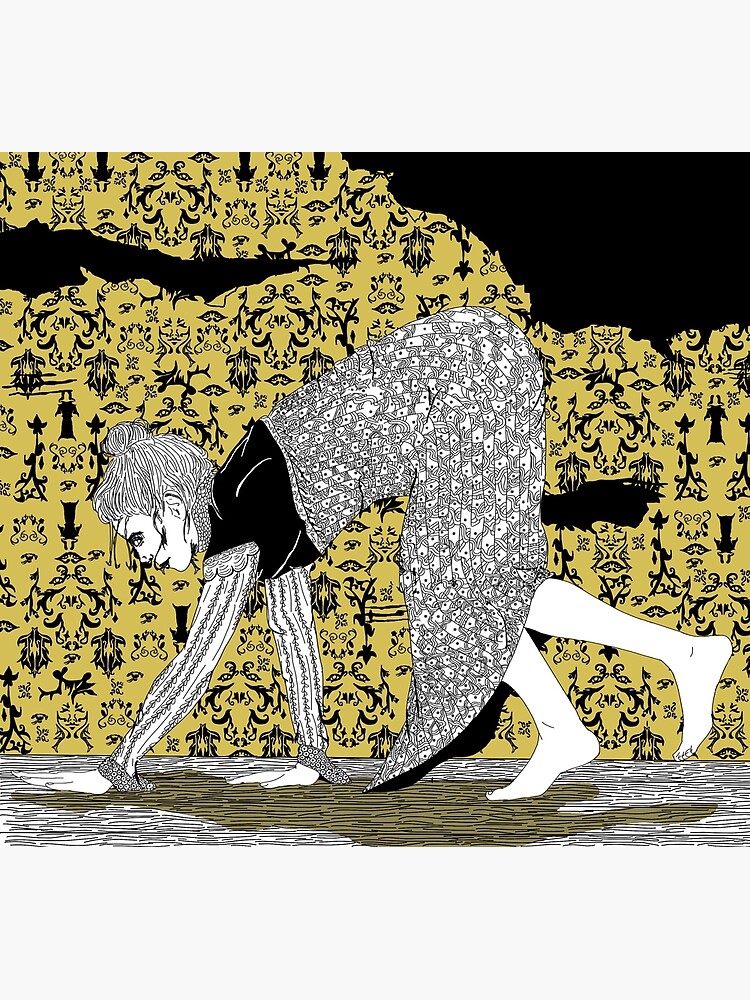
As time passes, the narrator becomes completely sure about what she sees. In her mind, there is no doubt left.
She believes that:
The woman inside the yellow wallpaper is imprisoned, just like someone locked behind bars
The woman moves more at night, when the house is quiet and everyone is asleep
During the day, the woman hides, but when nobody is watching, she creeps on the floor
Slowly, the narrator’s thoughts change. She begins to feel a strong connection with that trapped woman. She feels that both of them are suffering in the same way—controlled, watched, and not allowed to live freely.
Gradually, she starts believing that she herself is that woman. The wallpaper no longer shows another person; it reflects her own pain and imprisonment. Her identity and the imagined woman inside the wallpaper become one and the same.
6️⃣ The Final Day: Tearing the Wallpaper
On the last day of her stay in the house, the woman’s mind completely breaks away from reality.
She:
Locks the door of the room, so no one can stop her
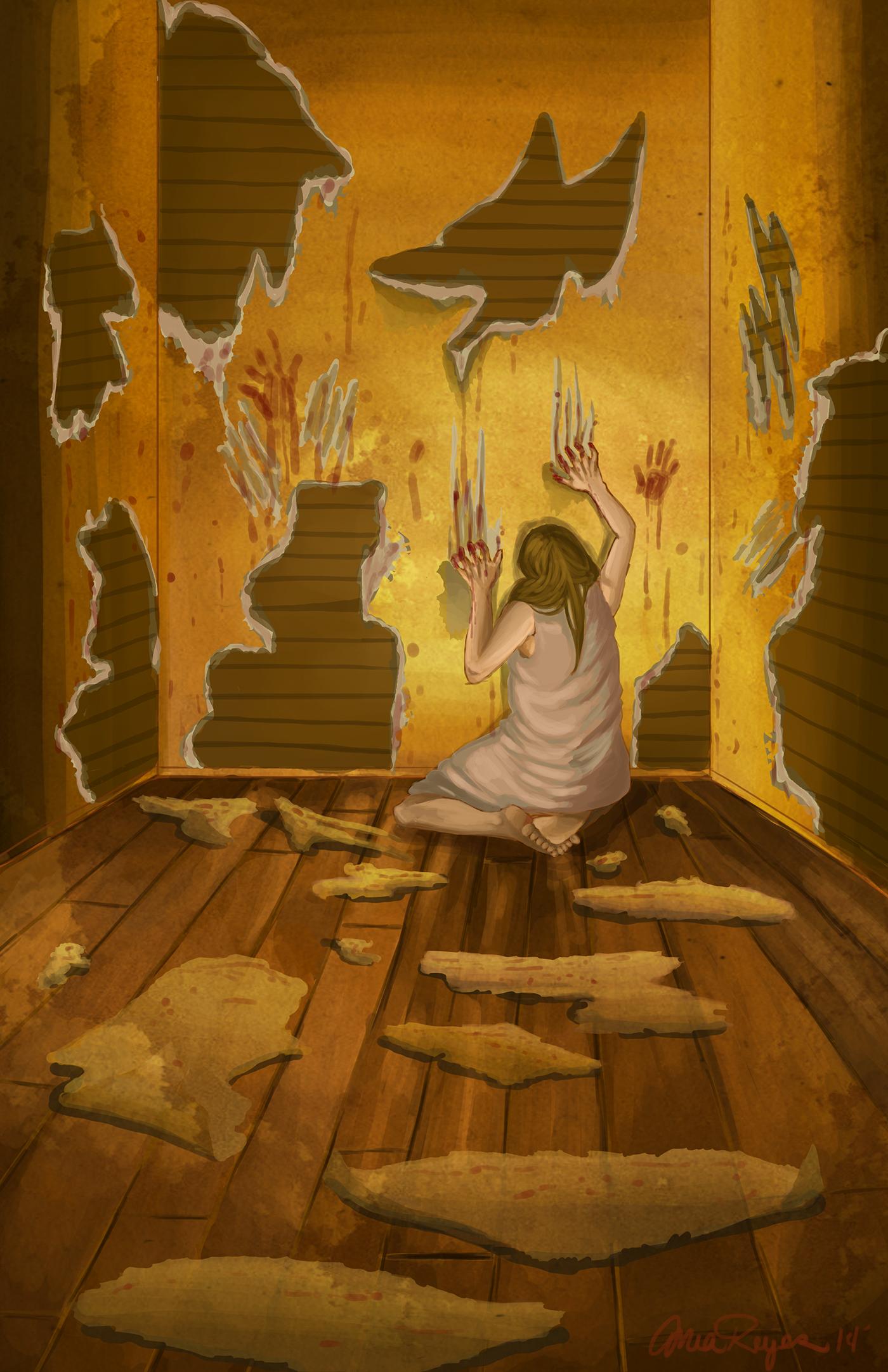
Begins to tear off the yellow wallpaper from the walls with her hands
Believes strongly that by doing this she is freeing the woman trapped inside
As the wallpaper comes down, she feels a strange sense of victory and freedom. In her mind, the prison is finally destroyed.
After tearing the wallpaper, she starts creeping around the room, moving slowly along the walls. She keeps her body close to the floor and follows the wall in circles. She now believes that she has escaped at last, even though she is completely lost in madness.
This moment shows the final collapse of her mind and the tragic result of isolation, control, and silence.
7️⃣ The Ending

When John finally enters the room, he is faced with a scene he never expected to see.
He:
Sees his wife creeping slowly around the room, close to the wall
Is unable to understand what has happened to her mind
Becomes so shocked that he faints and falls unconscious
The woman does not stop. She continues to creep around the room, stepping over her husband’s unconscious body. She calmly says that she is free now and that no one can control her anymore.
This ending is tragic and powerful. John, who always believed he knew what was best for his wife, finally collapses. The woman, though mentally broken, believes she has escaped from her prison at last.
Meaning of the Story (Very Simple)
The story shows how silencing a person can destroy their mind
It criticizes wrong medical treatment
It shows how women were controlled and ignored
The yellow wallpaper represents mental and social imprisonment